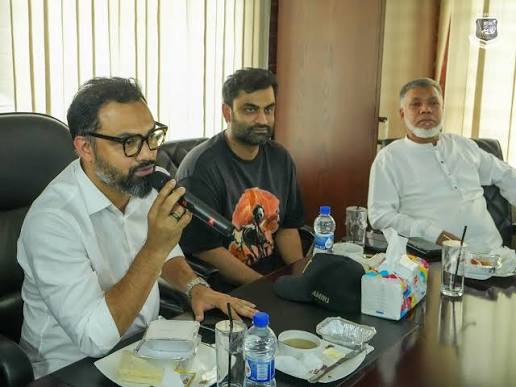
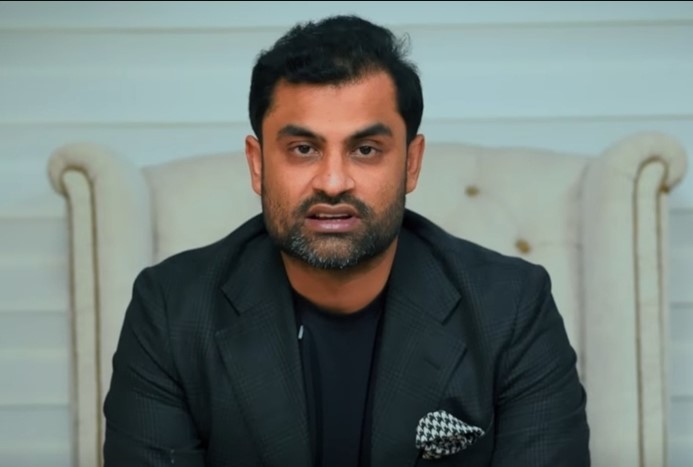

Bangladesh Cricket Board (BCB) president Tamim Iqbal is understood to be interested in taking over the continental body.
The ACC presidency is rotated among its five Full Members—India, Sri Lanka, Pakistan, Bangladesh and Afghanistan.
While an extension for Naqvi is possible under ACC procedures, reports indicate that it would require broad agreement among the member boards, while no official decision has been made on his continuation.
“There may be speculations, but Naqvi’s term ends in April 2027. Bangladesh is next in line, and there is a belief among ACC members that Tamim is looking forward to taking over. Naqvi may argue that the AGM was held only in August last year, when elections to other ACC positions were not held, and that the elections were held only in August this year. But the term of the ACC president has no connection with the AGM,” One ACC member explained the Naqvi situation to Cricbuzz.

“The president has a two-year term which is rotated among the full members of the ACC. Extensions can occasionally be granted by unanimous agreement among the Executive Board and in the current ACC Executive Board, there is no unanimity. At least on the subject of extension to Naqvi, there is little chance of unanimity, going by recent turn of events.” he added.
Tamim, a former Bangladesh captain, was elected BCB president in June 2026. If the rotation proceeds as expected and Tamim remains at the helm of the BCB when Bangladesh’s turn arrives, he could emerge as a candidate for the ACC presidency.
Naqvi’s tenure has also drawn attention following recent Asia Cup trophy-presentation disputes involving India.
However, the ACC has not officially announced its next president, and the final appointment will depend on the council’s formal process.